What Is an Automatic Shrink Wrapping Machine? A Plain Primer
If you have never stood on a packaging line, the term “shrink tunnel machine” can sound like something from a factory tour you half remember. In plain terms, it is the heated chamber that shrinks a loose plastic film tightly around a product after the film has been wrapped around it. The result is a compact, protected pack that stays put during shipping and looks clean on a shelf. This primer explains what the machine does, how it fits into a line, and what a first-time buyer should check before choosing one.
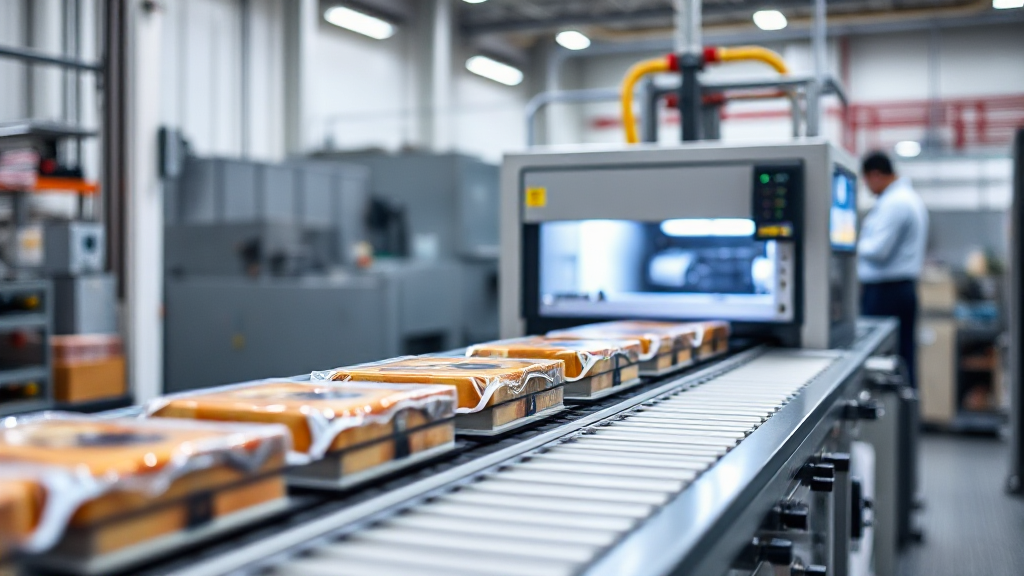
A shrink tunnel is rarely the whole story. It usually works with a wrapping unit that first encloses the product in film, and together they form a shrink tunnel Machine line. The tunnel applies heat, the film contracts, and the pack cools into a tight finish. That two-step idea — wrap, then shrink — is the core of the process.
What a Shrink Tunnel Machine Actually Does
The tunnel is a heated enclosure with a conveyor running through it. Products enter one end wrapped in loose film, pass through a zone of controlled hot air, and exit with the film shrunk around them. The heat is usually produced by electric elements and moved by blowers, so the film shrinks evenly rather than in patches. Temperature and conveyor speed are the two settings operators adjust most often, because together they decide how tight and how smooth the final pack looks.
The machine does not seal the film by itself in most setups. Sealing happens at the wrapping stage, before the product reaches the tunnel. The tunnel’s job is controlled heat and consistent movement, which is why a tunnel that is too hot or too slow can burn or distort film, while one that is too cool leaves wrinkles and loose edges.
The basic parts you will see
- Conveyor — carries products through at a steady speed, often with rollers or a mesh belt.
- Heating chamber — houses elements and blowers that circulate hot air around the pack.
- Control panel — sets temperature, conveyor speed, and sometimes airflow.
- Entry and exit curtains — keep heat inside while letting products pass.
These parts are simple, but their sizing matters. A tunnel built for small boxes will struggle with long or heavy items, and a large tunnel running small packs wastes energy. Matching the chamber size and conveyor width to your actual product range is one of the first decisions a buyer makes.
How It Fits Into a Packaging Line
In a manual or semi-automatic setup, an operator wraps the product and places it on the tunnel conveyor. In a fully automatic line, a Shrink wrapping machine wraps and seals the film, then transfers the pack directly into the tunnel without handling. The difference is throughput and labor: automatic lines run faster and more consistently, while manual setups suit low volumes and varied products.
Film choice also shapes the result. Polyolefin film is common for retail packs because it shrinks evenly and prints well, while PVC is used in some industrial applications. The tunnel’s heat profile should match the film, because each material shrinks at a different rate and temperature range. A buyer who ignores this pairing often ends up with loose corners or melted edges even when the machine itself is working correctly.
Where the tunnel sits in the sequence
- Product is placed on or fed into the wrapping unit.
- Film is wrapped around the product and sealed.
- The pack moves into the shrink tunnel on a conveyor.
- Heat shrinks the film tightly around the product.
- The pack cools and moves to labeling or cartoning.
Seeing this sequence makes the buying decision clearer. You are not just buying a heated box; you are buying a stage in a flow, and the tunnel must match the speed and pack size of the stages before and after it.
What First-Time Buyers Should Compare
Before comparing prices, list your products by size, weight, and daily volume. Then compare tunnels on chamber dimensions, conveyor load capacity, heating method, and control type. A machine with digital temperature control and variable conveyor speed is easier to tune for different films and pack shapes than a basic on-off unit. For growing production lines, an Automatic Shrink Wrapping machine that combines wrapping and shrinking can reduce handling and keep output steady.
Also ask about service and spare parts. Heating elements, blower motors, and conveyor belts wear over time, and a tunnel that cannot be serviced locally becomes a bottleneck. Buyers in India often prioritize suppliers who can support installation, operator training, and quick part replacement, because downtime costs more than the machine in many cases.
Common mistakes to avoid
- Choosing a tunnel by price alone without checking chamber size against your largest pack.
- Ignoring film compatibility, which leads to poor shrink quality.
- Underestimating the power supply and ventilation needed for heat-based equipment.
- Skipping a trial run with your own products and film before committing.
A short trial or demonstration on your actual products removes most of the guesswork. It shows how the film behaves, how fast the line runs, and whether operators can manage the settings comfortably.
Frequently Asked Questions
What is the difference between a shrink tunnel and a shrink wrapping machine?
The wrapping machine encloses the product in film and seals it. The shrink tunnel applies heat so the film contracts tightly. Many lines use both together, but they are separate functions.
Can a shrink tunnel work with any plastic film?
No. Different films shrink at different temperatures and rates. The tunnel settings and film type must be matched, or the pack may wrinkle, burn, or stay loose.
How much space does a shrink tunnel need?
It depends on conveyor length and chamber size. Leave room at both ends for loading and cooling, plus access for maintenance and ventilation around the heating section.
Is an automatic line necessary for a small business?
Not always. Low or highly varied volumes can suit semi-automatic setups. Automatic lines make more sense when volumes are steady and labor savings matter.
What maintenance does a shrink tunnel require?
Routine checks include cleaning the chamber, inspecting belts and curtains, and checking heating elements and blowers. Following the supplier’s schedule prevents most unplanned stops.